Insurance Driven Wildfire Mitigation in Colorado Mountain Communities
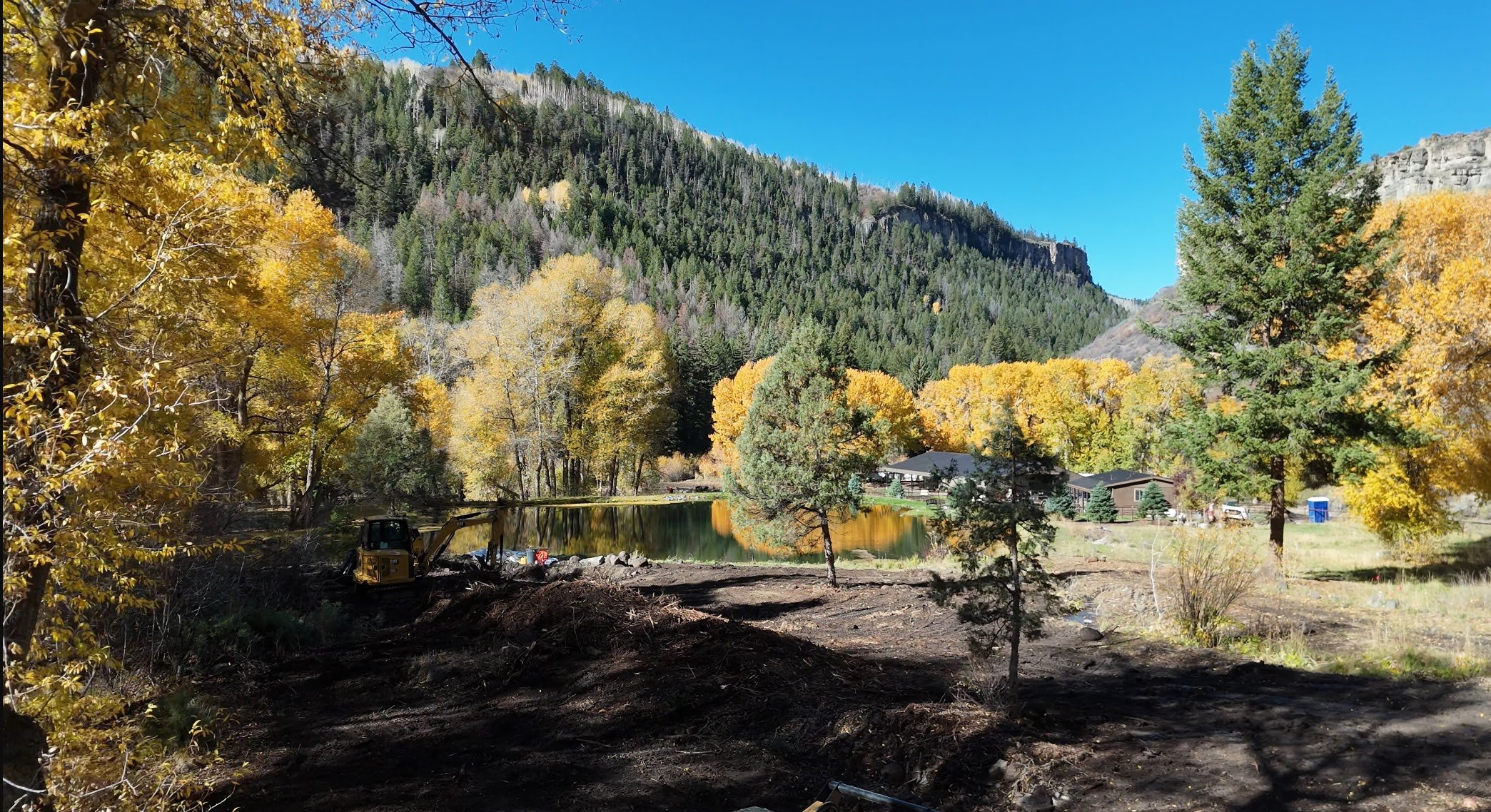
Insurance Driven Wildfire Mitigation in Colorado Mountain Communities
Across Colorado, wildfire mitigation is no longer just a recommendation. For many landowners, it has become an insurance requirement.
As wildfire losses increase statewide, insurance providers are tightening underwriting standards in mountain and high risk areas. Policies are being non renewed, premiums are rising, and mitigation documentation is increasingly required for continued coverage.
For landowners, understanding how insurance driven mitigation works is now part of responsible property ownership.
Why Insurance Companies Are Requiring Mitigation
Insurance carriers assess wildfire risk based on several factors, including vegetation density, proximity to forested land, access, and defensible space around structures.
Properties with unmanaged fuel loads or limited access routes are more likely to be flagged as high risk. In these cases, insurers may require mitigation before issuing or renewing coverage.
This shift is particularly visible in Colorado’s mountain towns, ranch communities, and large acreage properties where wildfire risk is naturally higher.
What Insurance Driven Mitigation Usually Focuses On
Insurance related mitigation typically prioritizes:
Defensible space around structures
Removal of hazard trees near buildings
Reduction of dense fuels close to access routes
Improved emergency access
These requirements are often framed as minimum standards rather than comprehensive land management plans.
The Difference Between Compliance and Real Mitigation
Meeting insurance requirements does not always equal effective wildfire mitigation.
Compliance driven work often focuses narrowly on structure protection, while broader mitigation considers how fire moves across an entire property. Landowners who stop at the minimum may reduce insurance risk while still leaving larger wildfire vulnerabilities unaddressed.
This is where strategic planning becomes essential.
Insurance Mitigation on Ranches and Large Properties
For large acreage properties, insurance driven mitigation must be handled carefully.
Wholesale clearing is rarely practical or desirable. Instead, mitigation is often approached through phased planning that protects critical infrastructure while maintaining forest health and land usability.
Balancing insurance requirements with long term stewardship helps avoid repeated mitigation requests in future policy cycles.
Planning Ahead Reduces Pressure
Landowners who plan mitigation proactively are better positioned when insurance carriers request documentation. Thoughtful mitigation completed ahead of deadlines allows for better decision making and more durable results.
Insurance driven mitigation works best when it fits into a broader wildfire mitigation strategy rather than standing alone.
Closing
Wildfire mitigation driven by insurance pressure is becoming a reality in Colorado. Understanding what carriers expect allows landowners to respond strategically rather than reactively.
For a broader understanding of how insurance requirements fit into a complete approach, explore our guide to wildfire mitigation in Colorado.