Seasonal Timing for Wildfire Mitigation in Colorado
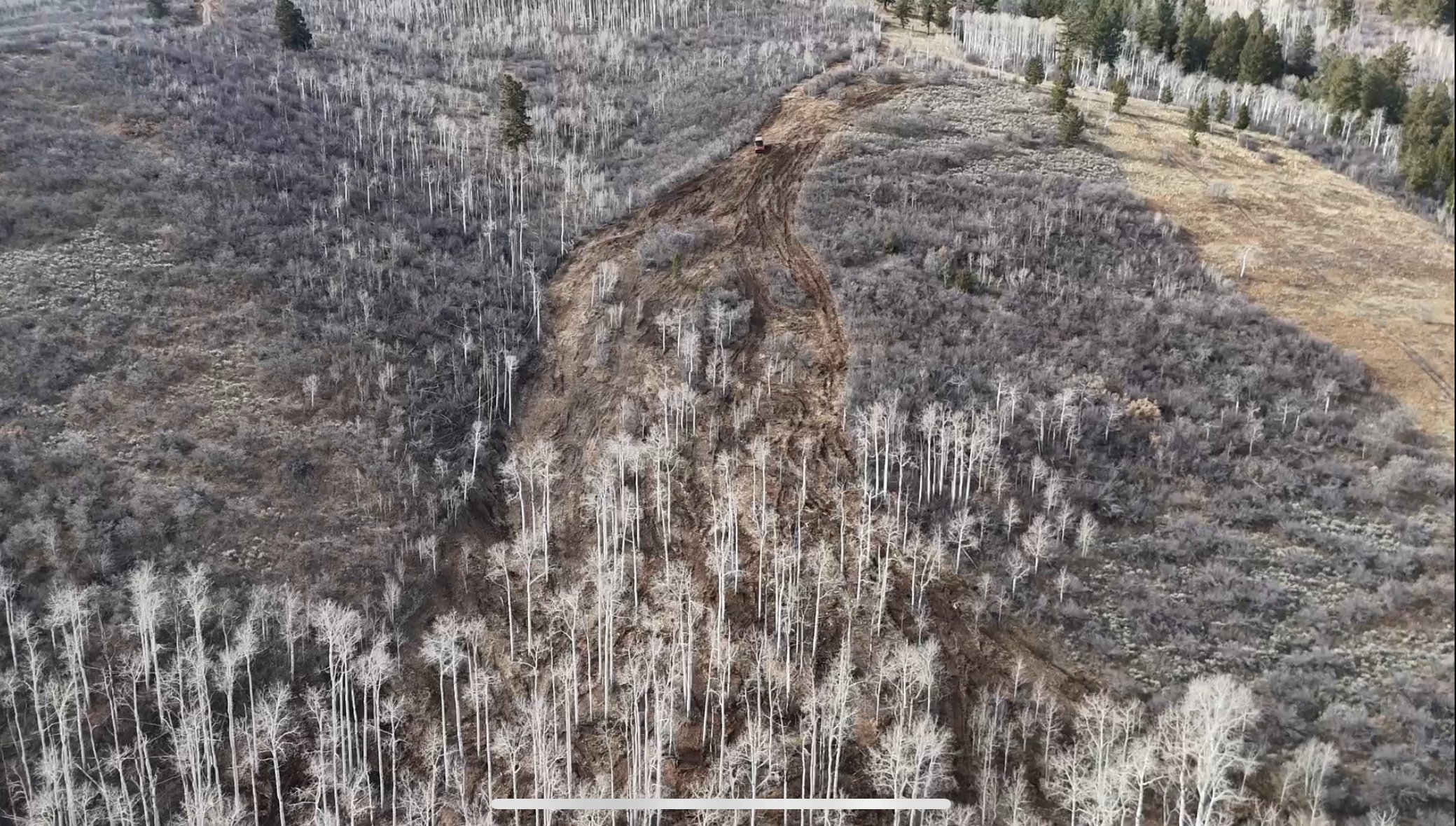
Seasonal Timing for Wildfire Mitigation in Colorado
Wildfire mitigation in Colorado is not a one season task. The effectiveness of land management work depends heavily on when it is performed, not just how. Snowpack, soil conditions, wildlife cycles, and access all influence what mitigation looks like throughout the year.
For landowners, understanding seasonal timing can mean the difference between rushed compliance work and thoughtful mitigation that holds up over time.
Why Timing Matters in Colorado
Colorado’s climate is defined by extremes. Long winters, rapid spring melt, dry summers, and early fall snowfall all affect how land can be safely and effectively managed.
Wildfire mitigation that ignores these seasonal realities often leads to compromised results, unnecessary disturbance, or missed windows for meaningful work.
Winter Planning and Limited Field Work
Winter is typically a planning and assessment season.
Deep snow and frozen ground limit access to many properties, especially on higher elevation ranches and mountain terrain. However, winter is an ideal time for:
Property evaluations
Mitigation planning and phasing
Permitting and coordination
Identifying priority areas for spring and summer work
In some cases, winter access allows for selective work on frozen ground that minimizes soil disturbance, particularly on established trails or access roads.
Spring Mitigation Opportunities
Spring marks a transitional window for wildfire mitigation.
As snow recedes and soils begin to dry, certain types of work become possible. Spring is often suited for:
Defensible space work near structures
Selective thinning before vegetation fully emerges
Access route improvements
Hazard tree assessments following winter storms
Spring timing helps reduce wildfire risk before peak fire season while allowing vegetation and soil to recover naturally.
Summer Fire Season Considerations
Summer presents the greatest wildfire risk and the greatest constraints.
During periods of extreme dryness or active fire restrictions, mitigation work may be limited or paused entirely. However, summer is still valuable for:
Maintenance of previously treated areas
Strategic access work when conditions allow
Monitoring fuel conditions and vegetation growth
Preparing for fall treatment windows
Mitigation planned ahead of summer often reduces the need for urgent or reactive work during high-risk months.
Fall The Most Strategic Mitigation Season
Fall is often the most effective season for wildfire mitigation in Colorado.
Cooler temperatures, improved access, and stable soil conditions make fall ideal for:
Larger scale thinning and fuel reduction
Ranch and large acreage mitigation projects
Trail systems and access improvements
Long-term fuel break establishment
Fall work allows landowners to address wildfire risk proactively before winter while setting properties up for safer conditions the following fire season.
Seasonal Timing for Large Acreage and Ranch Properties
On larger properties, mitigation often spans multiple seasons.
Rather than attempting to treat entire properties at once, phased seasonal planning allows landowners to:
Protect critical infrastructure first
Improve access incrementally
Manage fuel loads without over-clearing
Balance mitigation with wildlife and land use needs
This approach reduces disruption while delivering long-term protection.
Aligning Timing with Wildfire Mitigation Goals
Effective wildfire mitigation is rarely tied to a single date or deadline. It is a process that adapts to the land, the season, and the goals of the property owner.
Planning mitigation with seasonal timing in mind improves outcomes, reduces unnecessary work, and supports healthier land over time.
Wildfire mitigation in Colorado works best when it respects the rhythm of the land. By aligning mitigation efforts with seasonal conditions, landowners can reduce wildfire risk while preserving the integrity and usability of their property.
For a broader view of how timing fits into a complete strategy, explore our guide to wildfire mitigation in Colorado and how defensible space, fuel management, and access planning work together.