Colorado Wildfire Mitigation and Property Insurance: What Buyers and Owners Need to Know
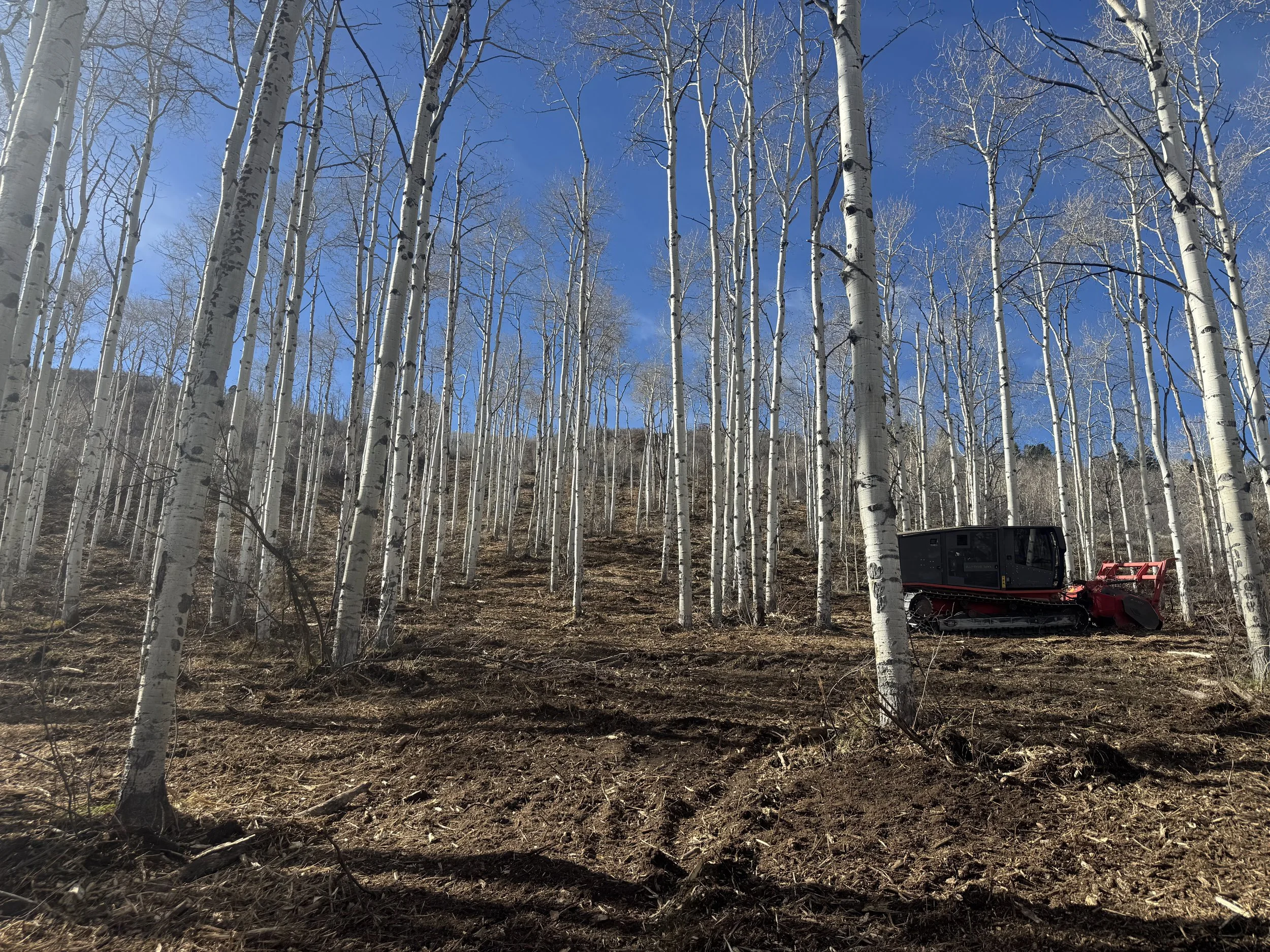
Colorado wildfire mitigation has become one of the most important considerations for property owners and buyers across the state. As wildfires increase in frequency and intensity, Colorado homeowners are seeing insurance rates rise—and in some areas, coverage becomes harder to secure. With new legislation like House Bill 1182 now taking shape, proactive wildfire mitigation is no longer optional. It’s essential for protecting both property and long-term value.
Western Colorado’s landscapes are known for their beauty and independence, but living here also means taking responsibility for the land. For property owners, that begins with understanding and implementing wildfire mitigation strategies that strengthen both safety and stewardship.
What Are the Most Effective Wildfire Mitigation Strategies?
At its core, wildfire mitigation means reducing the risk of loss through innovative design, planning, and ongoing maintenance. The most effective wildfire management strategies combine immediate action with long-term commitment.
Defensible space around homes is the first line of protection. This involves clearing brush, trimming trees, and maintaining strategic space in three zones—from the immediate perimeter to the outer edge of the property—to slow or stop advancing flames.
Next, choosing fire-resistant building materials—like Class A roofing, fiber-cement siding, metal screens, and non-combustible decking—helps prevent embers from igniting the structure.
Finally, home hardening for wildfire focuses on the small details: sealing vents and eaves, replacing wooden fences attached to homes, and screening attic openings. Together, these steps create a layered system of protection that significantly lowers risk.
“Mitigation isn’t a one-time project—it’s an ongoing relationship with your land,” says Bryce, founder of Outlaw Forestry. “Every season brings new growth, new debris, and new risks. Regular maintenance is key.”
Insurance, Risk, and House Bill 1182
Many Colorado homeowners are already feeling the effects of increased wildfire risk through higher insurance premiums and stricter underwriting. In some areas, insurers are reducing coverage or requiring proof of mitigation before renewing policies.
House Bill 1182, recently introduced in Colorado, seeks to address these challenges by standardizing wildfire mitigation efforts and creating accountability between property owners and insurance providers. The bill emphasizes verified mitigation—work that meets defined state or local standards—which can directly affect Colorado property insurance wildfire coverage and potential discounts.
As the bill takes effect, homeowners who invest in proactive wildfire mitigation strategies will be better positioned to secure affordable coverage and protect property value over time.
What Colorado Property Owners Should Do Now
Wildfire mitigation doesn’t need to feel overwhelming. Start small, stay consistent, and partner with professionals when needed. Here’s a quick checklist for getting started:
Create defensible space—clear vegetation, firewood, and debris within 30 feet of structures.
Trim trees and branches—especially those near roofs, decks, and chimneys.
Use firewise landscaping—replace mulch with gravel and plant low-resin, drought-tolerant species.
Inspect and maintain annually—especially before summer and after fall leaf drop.
Schedule a professional assessment—certified arborists and mitigation specialists can identify hidden risks.
Acting now not only protects your property but can also help you stay ahead of upcoming legislative and insurance changes tied to Colorado wildfire mitigation standards.
Considerations for Colorado Buyers
For those buying property in wildfire-prone areas, due diligence is essential. Understanding the site’s wildfire risk and its implications for home insurance can make or break a purchase.
Research the property’s fire history and local mitigation requirements.
Ask about existing defensible space or previous mitigation work completed.
Contact insurers early to confirm coverage availability and costs.
These steps are increasingly part of the wildfire considerations in Western Colorado real estate that savvy buyers are evaluating. A property that demonstrates thoughtful land management and mitigation not only holds its value better but also offers long-term peace of mind.
Why Mitigation Matters More Than Ever
As wildfire seasons grow longer and more intense, the need for proactive planning continues to rise. Homeowners and buyers who take action now—clearing defensible space, upgrading materials, and documenting mitigation—will be better protected both physically and financially.
Colorado wildfire mitigation is more than a checklist; it’s a commitment to land stewardship and community safety.
About Bryce and Outlaw Forestry
Bryce, founder of Outlaw Forestry, is a certified arborist and forestry professional based in Vail, Colorado. With over a decade of experience in tree removal, wildfire mitigation, and land management, he specializes in helping homeowners and ranch owners protect high-value properties across Colorado’s mountain regions.
Bryce’s approach blends precision with stewardship—balancing safety, insurance requirements, and the natural beauty of each site. Whether clearing defensible space, conducting risk assessments, or designing long-term wildfire management strategies, Outlaw Forestry helps property owners make confident, compliant decisions.
Outlaw Forestry offers complimentary on-site consultations and second opinions for Colorado wildfire mitigation projects. To learn more or schedule a consultation, contact Bryce at outlawforestry.com.